Tanzania Ending Child Marriage Network (TECMN) was established by the Children’s Dignity Forum (CDF) in September 2011 and officially launched on October 11, 2012. CDF continues to serve as the Network’s Secretariat, with FORWARD UK providing both technical and financial support.
TECMN was founded to promote coordinated, collective, and sustained advocacy efforts aimed at ending child marriage at the national, regional, and international levels. The Network actively contributes to the East African movement to end child marriage, participates in Pan-African initiatives, and engages with the global Girls Not Brides (GNB) partnership, ensuring that Tanzania’s efforts and perspectives are meaningfully represented across all platforms.
Since its inception, TECMN has expanded significantly, now comprising 40 member organisations across Tanzania. This remarkable growth reflects the strength of its collaborative approach and the nationwide commitment to ending child marriage. It also highlights the need for a strong governance framework and clearly defined member roles and responsibilities to ensure efficiency, accountability, and measurable impact. The Network’s establishment was driven by a shared recognition among Tanzanian Civil Society Organisations (CSOs) of the importance of adopting multi-sectoral strategies to effectively combat child marriage.
As an active member of Girls Not Brides (GNB), TECMN works closely with the Government of Tanzania, particularly with relevant ministries, parliamentarians, and local government authorities, as well as with traditional and religious leaders, development partners, and, most importantly, girls and young women directly affected by child marriage.
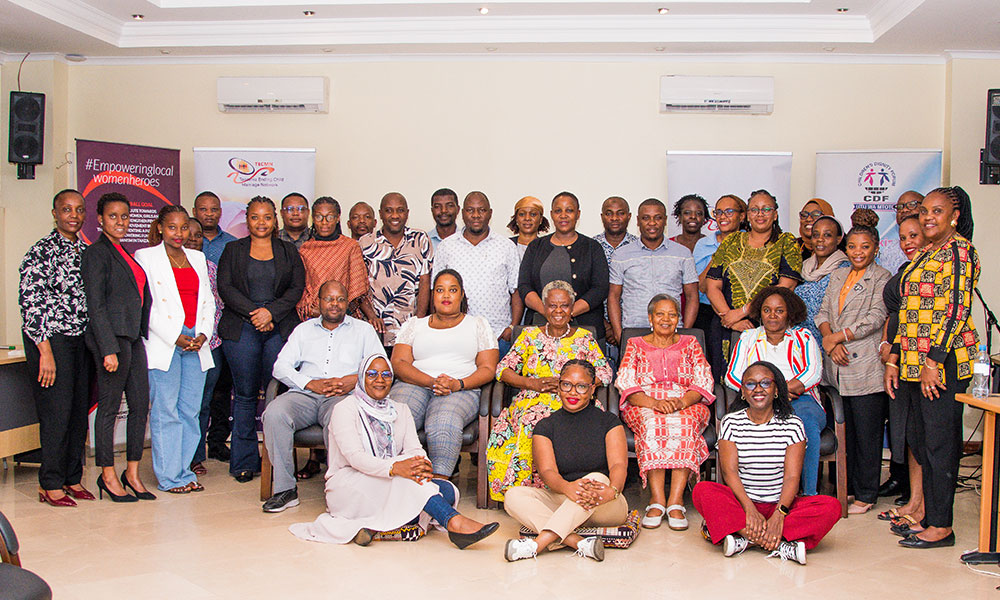
TECMN continues to strengthen its network by facilitating peer learning among member organizations, enabling experience sharing on approaches, successes, challenges, and lessons learned in ending child marriage across diverse contexts.
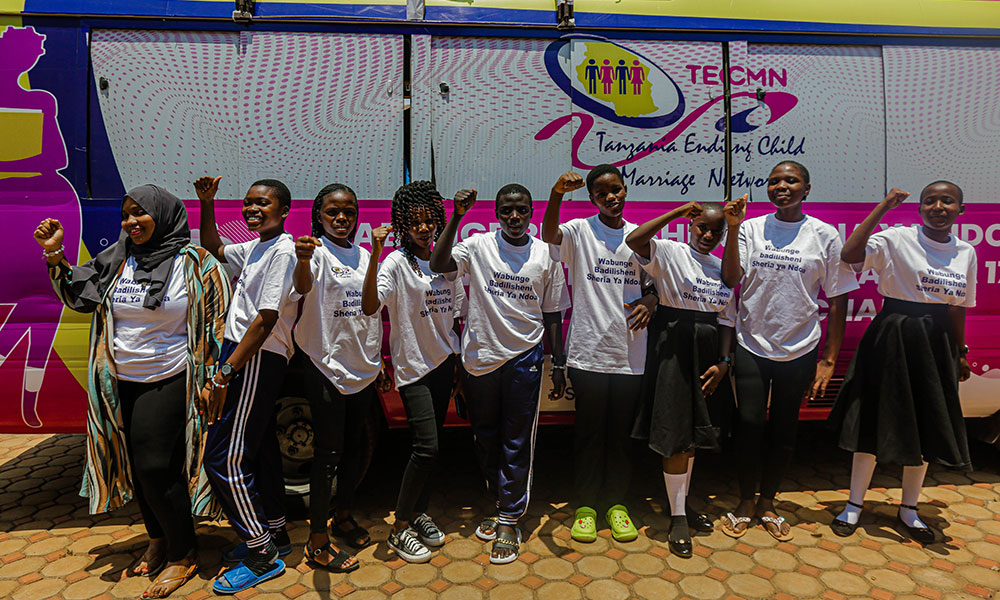
TECMN successfully organized the Ending Child Marriage Caravan across four regions, Mara, Tabora, Shinyanga, and Dodoma, amplifying community voices, raising awareness on the impacts of child marriage, and mobilizing local action.
TECMN deepened collaboration with civil society and international partners, strengthening learning and advocacy through Communities of Practice (CoPs) across Tanzania, Kenya, and Uganda, reinforcing education as a key strategy to end child marriage.
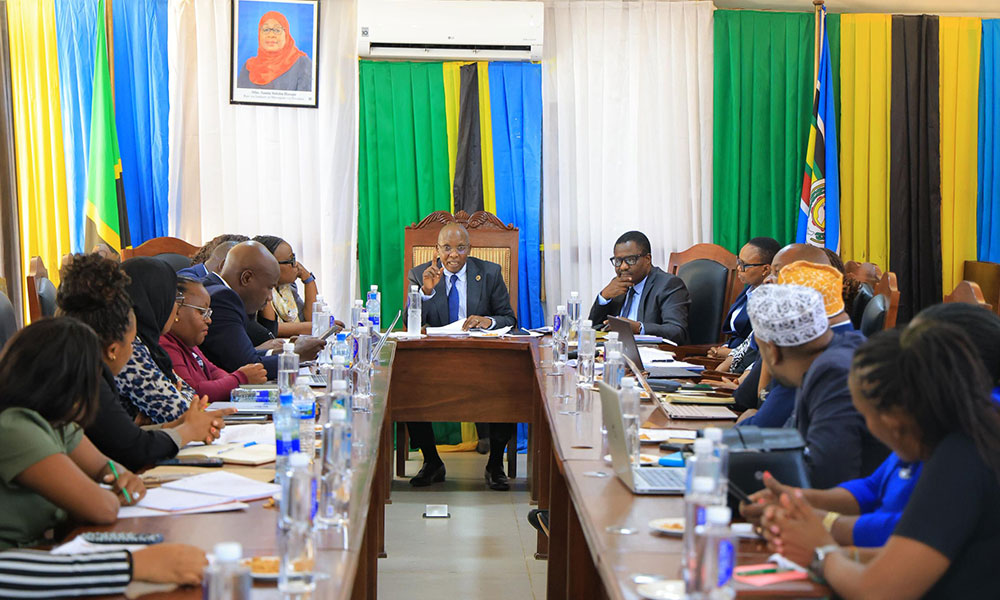
Through inter-ministerial strategic engagements, TECMN has supported alignment of laws and policies to protect girls’ rights. The Government of Tanzania has agreed to initiate a national dialogue process involving traditional and religious leaders as part of the second phase toward amending the Law of Marriage Act (1971).
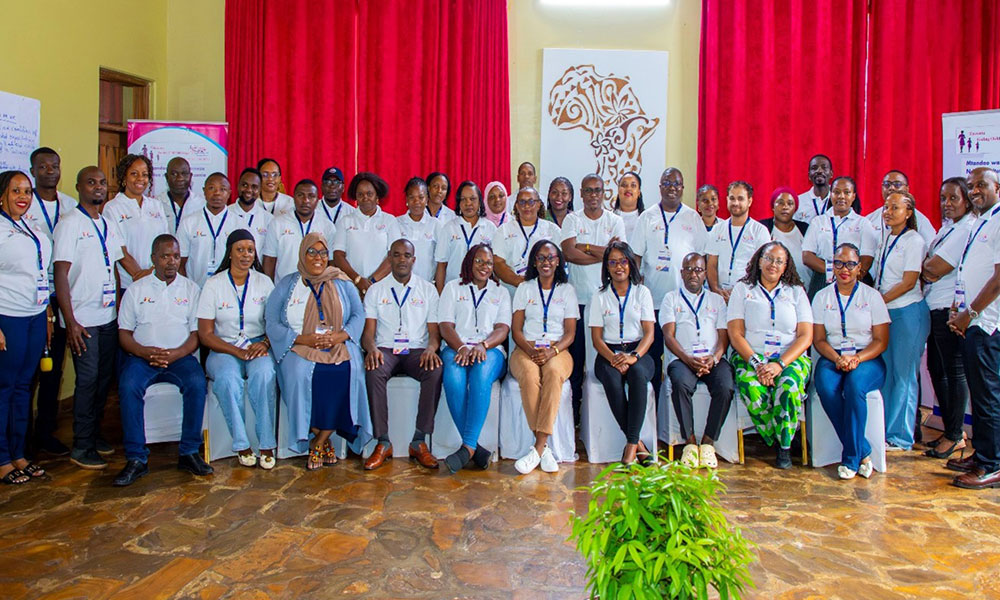
TECMN members engaged in an inclusive co-creation workshop to inform the development of the Network’s advocacy strategy and three-year project plan. The process emphasized participatory learning, experience sharing, and innovation, with contributions from TECMN Secretariat, Steering Committee, and regional facilitators.
TECMN participated in the 42nd Ordinary Session of the African Committee of Experts on the Rights and Welfare of the Child (ACERWC) in Addis Ababa, Ethiopia, strengthening regional partnerships and contributing to continental learning on ending child marriage.
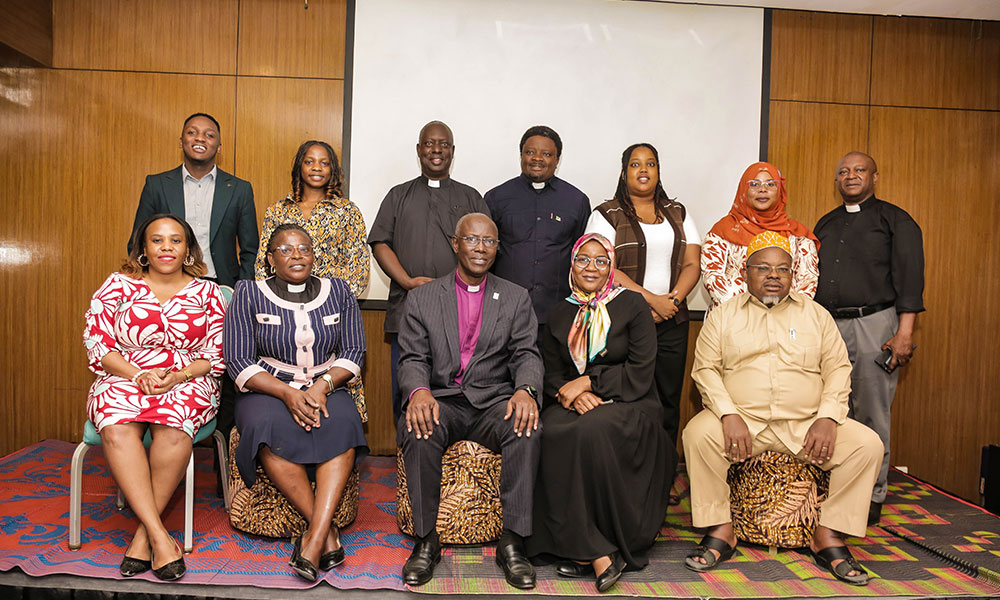
In partnership with the Interfaith Committee, TECMN facilitated dialogue among religious leaders, who publicly committed to ending child marriage. Faith leaders affirmed that girls should marry only after completing basic education (Form IV), typically at 18 years or above, and committed to continued advocacy within churches and mosques.
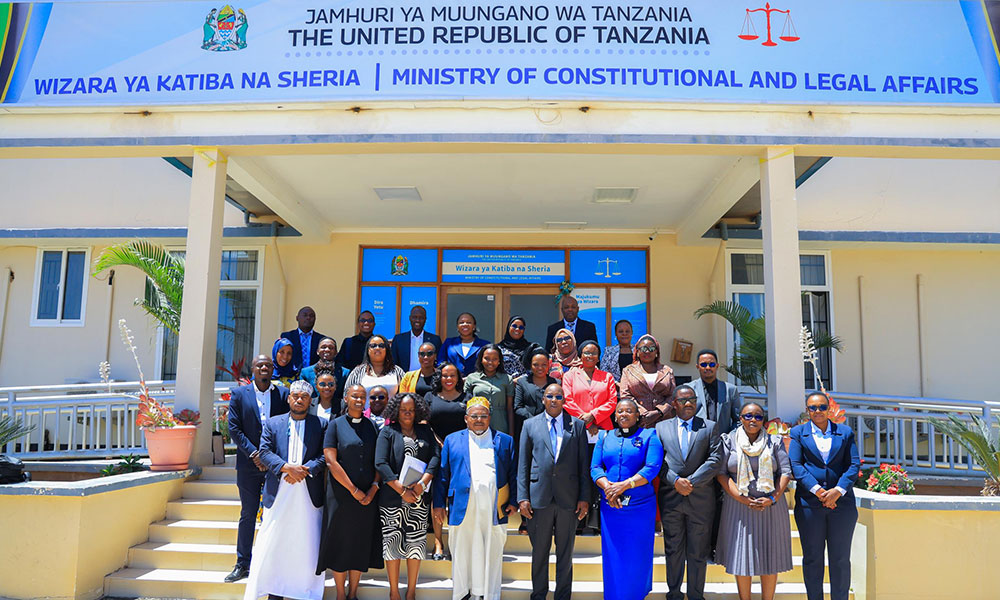
TECMN, in collaboration with its UK partner FORWARD and with support from Baillie Gifford Plc, convened a high-level strategic meeting titled: “Leave No Girl Behind: Exploring Strategies for Addressing Teenage Pregnancy and Child Marriage.” The meeting brought together government stakeholders and civil society leaders at a critical moment following the Government’s appeal in the child marriage case and during the launch of the national teenage pregnancy campaign. It provided a unified platform to align strategies and strengthen collective action.
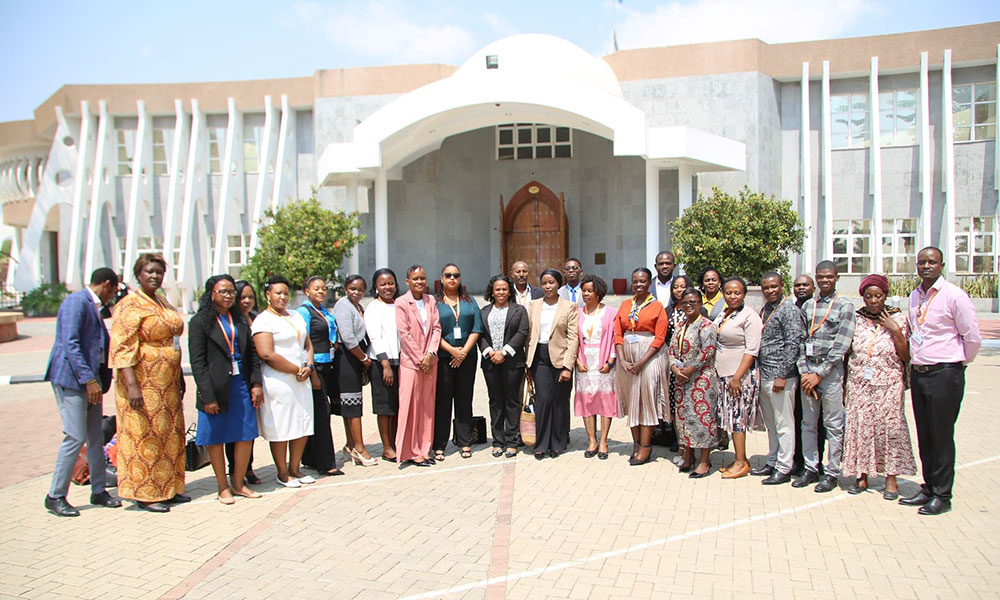
Through sustained consultations with Members of Parliament, TECMN built a strong network of legislative allies. To date, 74 Members of Parliament have signed TECMN’s petition calling for amendment of the Law of Marriage Act (1971) to set the minimum age of marriage at 18 years.
The Court of Appeal of Tanzania upheld the High Court’s judgment, declaring Sections 13 and 17 of the Law of Marriage Act (1971) unconstitutional. The Court directed the Government to amend the law, marking a historic victory for the protection of girls’ rights and a major milestone for TECMN’s advocacy efforts.
TECMN supported the landmark Rebecca Gyumi case, which challenged the constitutionality of child marriage laws in Tanzania. The case became a pivotal moment in national advocacy, strengthening calls to raise the legal age of marriage for girls to 18 years.
TECMN partnered with local media outlets to amplify public awareness on the prevention of child marriage. Media has been strategically used as an advocacy tool to: – Elevate girls’ voices as agents of change – Condemn incidences of child marriage – Push for legal reforms, including the amendment of the Law of Marriage Act (1971) – Facilitate national dialogue through press conferences and community outreach.
TECMN has sustained strategic engagement with international and regional partners to advance its vision of a Tanzania free from child marriage, contributing to the achievement of SDGs 3, 4, and 5 through coordinated advocacy, learning, and movement-building.