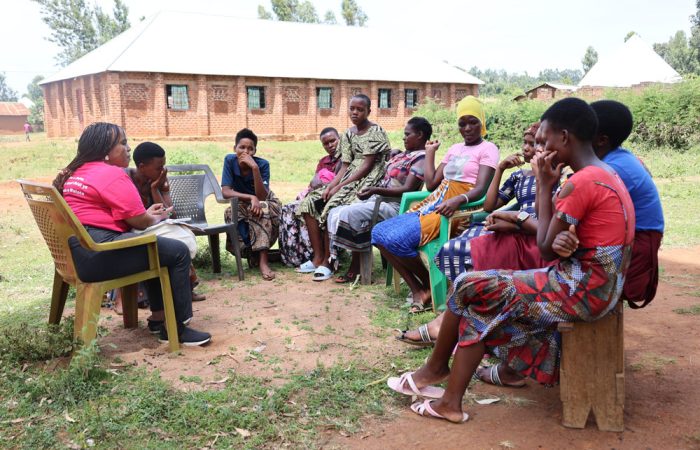
Violence Against Children remains a critical human rights and development concern. Globally, one in two children aged 2–17 experiences some form of violence each year (Pan American Health Organization (PAHO/WHO, n.d). In Tanzania, in 2025, CDF conducted a baseline survey under the project Promoting Community-Based Initiatives to Prevent Violence Against Children and Girls in Lupeta and Pwaga wards, Mpwapwa District, Dodoma. The findings are: 64% of children reported experiencing sexual violence in the past ten months, including online abuse, while 67% reported physical violence through corporal punishment. At the same time, 94% of teachers and 77% of parents acknowledged using corporal punishment as a disciplinary measure. These figures underscore the normalization of violence across home and school environments.
The survey further examined the nature of Violence Against Children and Girls (VACG), prevailing social norms, barriers to prevention, knowledge and attitudes, and the safety of school environments. The evidence confirms that isolated, short-term interventions are insufficient. Violence is embedded in unequal gender relations, family dynamics, institutional culture, and broader community norms. Addressing it requires a coordinated, systems-based response that operates at individual, family, school, and community levels.
CDF Responses
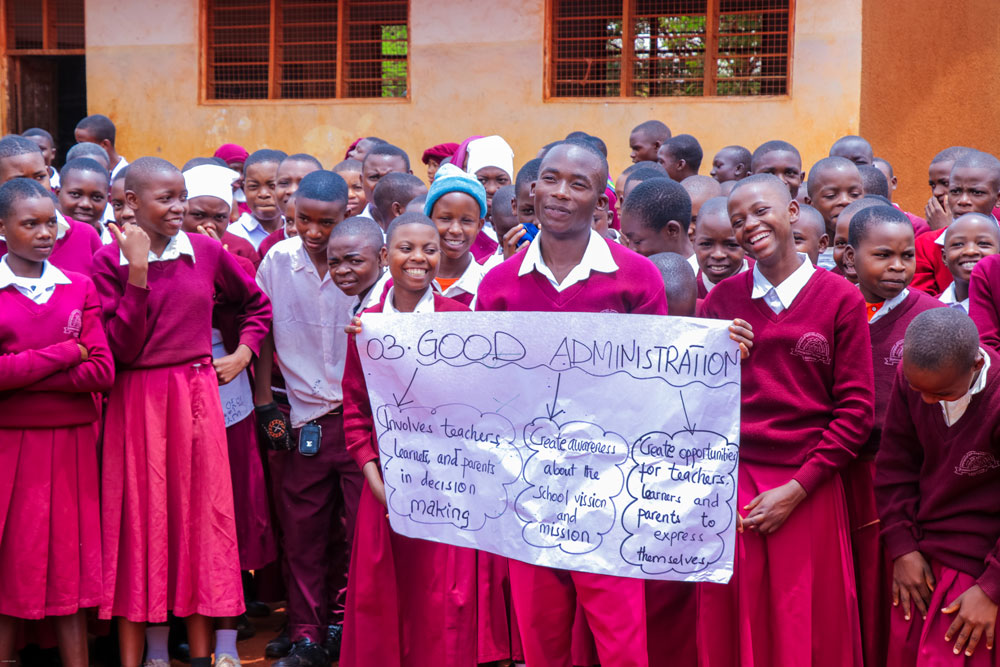
On February 20, 2026, CDF rolled out the Good School Toolkit Agile model across targeted schools. The approach is designed to transform entire school environments by reshaping institutional culture, promoting positive discipline, strengthening safeguarding and reporting systems, and elevating children’s voices in decision-making spaces. By addressing root causes rather than symptoms, the model seeks to create safe, inclusive, and accountable learning environments where children can thrive.
The urgency of this work is evident. In fragile and under-resourced settings, violence, weak systems, and limited investment compound these challenges. Sustainable progress will require deliberate investment in child protection, strengthening education systems, and community-led prevention mechanisms.
As implementation begins, CDF calls on partners, local leaders, and development actors to prioritize long-term financing and coordinated action to ensure every child learns in a safe and protective environment.